
She Was Going to Be There Either Way
A reflection on the Princess Royal, a king who confounded expectations, and the strange feeling of having prepared for a future that did not arrive.
There are encounters that stay with you longer than the occasion that produced them. I find myself, this morning, in a reflective mood that I shall not entirely explain, except to say that certain conversations linger, and certain presences, once registered, are not easily set aside.
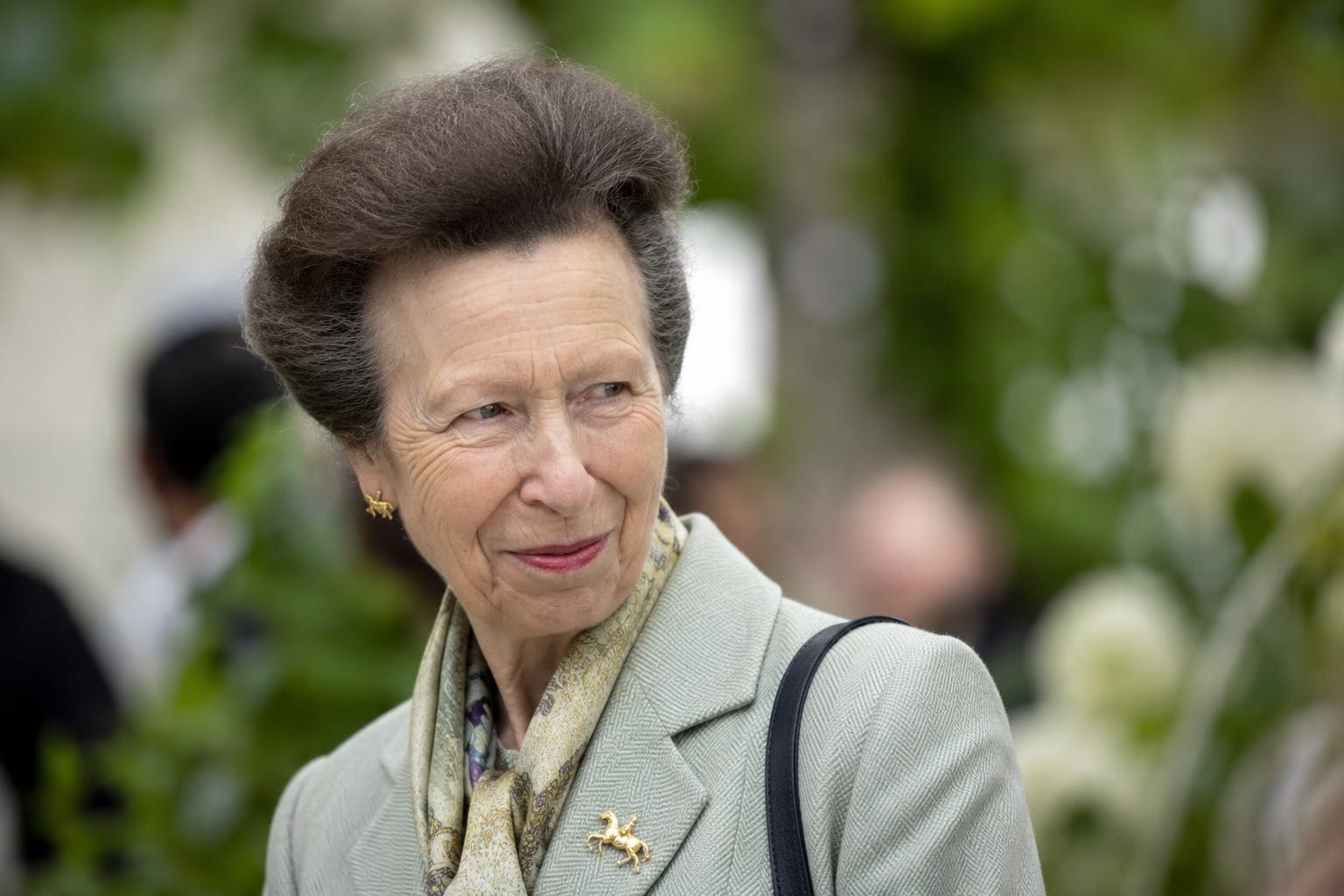
What I will say is that I have been thinking about the Princess Royal.
Not about her schedule, her patronages, or her considerable and frequently underestimated workload. Those things are well documented, and she would be the last person to invite further commentary on them. I have been thinking, rather, about constancy. About what it means to have been present, reliably and without drama, through everything the institution has absorbed over the past several decades. And about the particular quality of being in the company of someone you have known, in one form or another, for the better part of your long life. You reach a certain point where explanation becomes unnecessary. The other person was there. That is sufficient.
The Princess Royal has always been the institution’s most honest mirror. Not its most discussed member, but its truest reflection. She does not perform durability. She simply endures.
I should say something here that I find slightly uncomfortable to admit.
There were times when I was not entirely certain that Charles would be the king presiding over this summer’s garden parties. Those of us with some knowledge of how that machinery operates were thinking carefully about what the near future might look like.
My colleagues at Caloroga, who have an instinct for these things, built an entire speculative series around precisely that question. The King William podcast examined, with considerable rigour, what an accelerated transition might mean for the institution, for the Wales household, and for the broader question of what the monarchy looks like in the second quarter of this century. They were good enough to consult me on it. I gave them what I could, which included some thoughts on the major players and some knowledge of how the inner workings of the Palace actually function when the pressure rises. It was a serious exercise, and I do not regret participating in it.
And yet. Here is Charles, hosting garden parties. Steady, present, and by all available evidence, rather more robust than the situation suggested he might be. The institution has a habit of confounding the people who study it most closely. One has learned, over many years, to hold one’s projections lightly.
The strange feeling this produces is not quite relief, though relief is part of it. It is something closer to the mild vertigo of having mapped a road in considerable detail, only to find that the journey did not require it. The map was accurate. The road exists. One simply did not travel it. That is, on reflection, the preferable outcome.
Which brings me back to Anne.
