
Don’t Ask the Dead to Answer
Andrew’s reckoning was always coming. The question of what Elizabeth knew is more complicated than either his defenders or his accusers will admit.
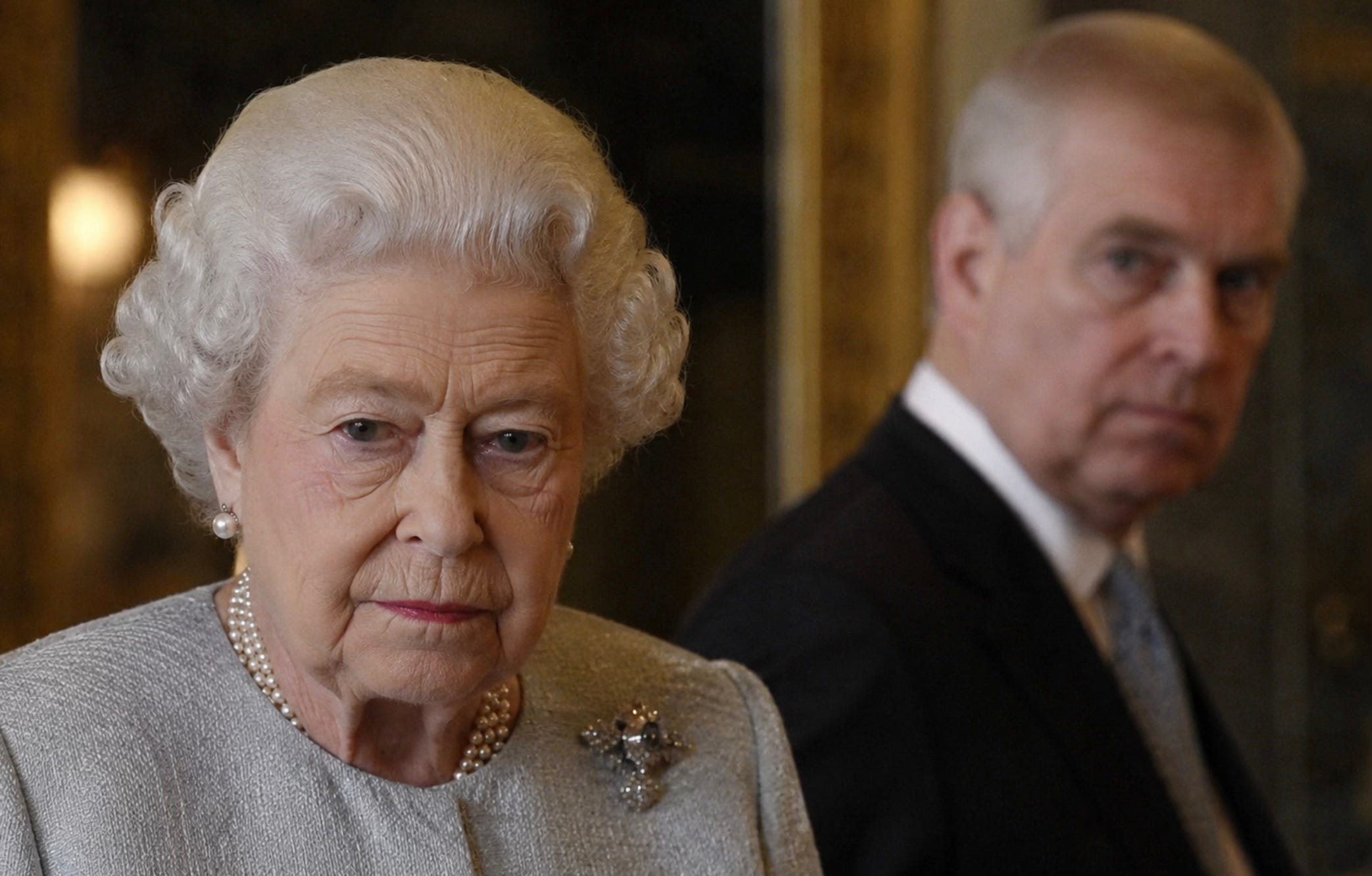
There is a particular genre of journalism that has flourished in the years since Queen Elizabeth II died, and I confess it tries my patience considerably. It goes something like this: a new document surfaces, or a biography lands, or several million pages of American court files are released into the world, and within a news cycle the late Queen finds herself in the dock. What did she know? When did she know it? Was she complicit, or merely negligent, or, the most charitable reading available, simply a mother who loved her son more than she trusted her own judgment.
I have watched this cycle repeat itself with increasing frequency since Andrew Mountbatten-Windsor was arrested in February, and I find I can no longer read another rendering of it without saying something. Not in his defence. I want to be clear about that from the outset. Andrew’s situation is of his own making, and the institutional consequences that have followed, represent a reckoning that serious observers of this family have seen approaching for the better part of a decade. None of that is in dispute here.
What is in dispute is the use to which a dead woman is now being put.
